

Echocardiogram
An Ultrasound Picture of Your Heart
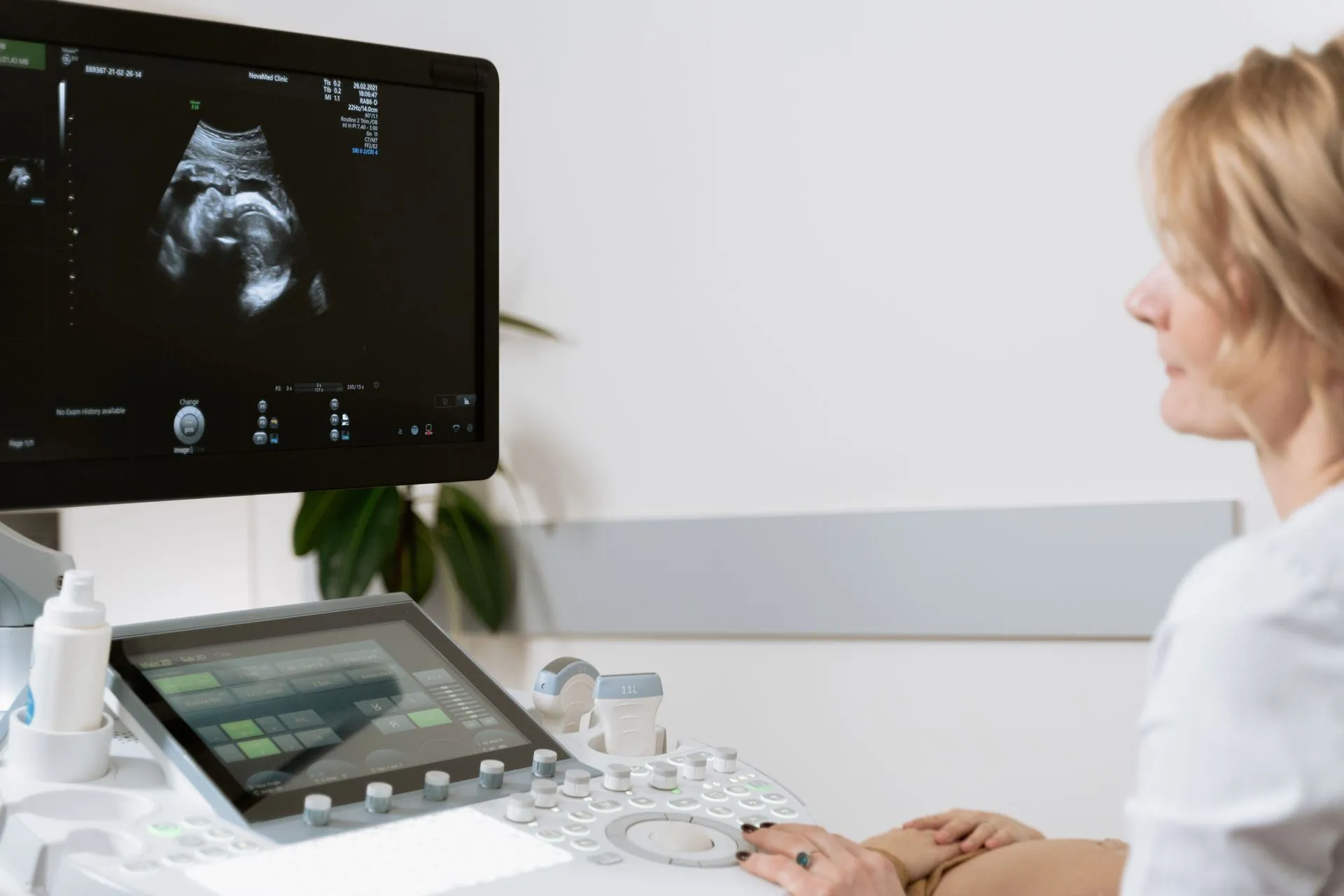
An echocardiogram — or "echo" — is an ultrasound of your heart. It uses sound waves to create moving images of your heart as it beats, showing your healthcare provider how your heart looks and how well it's pumping. There's no radiation, no needles, and nothing goes inside your body. It's one of the most valuable tools we have for checking heart health, and it's completely safe.
Why did my doctor order an Echocardiogram?
There are many reasons your healthcare provider may want to get an echo. Common reasons include:
Evaluating chest pain or shortness of breath
Checking for heart valve problems (such as a leaky or narrowed valve)
Monitoring a known heart condition such as heart failure or cardiomyopathy
Evaluating the size and strength of your heart's pumping chambers
Looking for fluid around the heart
Investigating an abnormal heart rhythm or EKG finding
Checking for blood clots inside the heart
Evaluating heart function before or after a procedure
Following up on a heart murmur
What to Expect
You will be asked to remove clothing from the waist up and put on a gown.
Small sticky patches (electrodes) will be placed on your chest to monitor your heart rhythm during the test.
You will lie on your left side on an exam table.
The sonographer (trained technician) will apply a warm gel to your chest to help the transducer make good contact with your skin.
The transducer will be moved gently over different areas of your chest. You may be asked to hold your breath briefly or change positions.
You will hear whooshing sounds — this is the sound of your blood flowing through your heart.
The test typically takes 30–60 minutes. It is painless. Some patients find the pressure from the transducer slightly uncomfortable, but most do not.
Common Questions
No — an EKG measures your heart's electrical signals. An echo takes pictures of your heart's structure and movement. Both are useful, and your healthcare provider may order both.
A cardiologist will review your images and typically send a report within 3-5 business days. We'll reach out to go over the findings with you.
None at all. You can drive yourself and get right back to your normal routine.
Most insurance plans, including Medicare, cover echocardiograms when ordered for a medical reason. If you have questions about your coverage, our billing team can help.
Your heart health matters deeply to us.
We're here to help you understand what this test means for you.
Questions? Give us a call — we're happy to help.